Author: admin

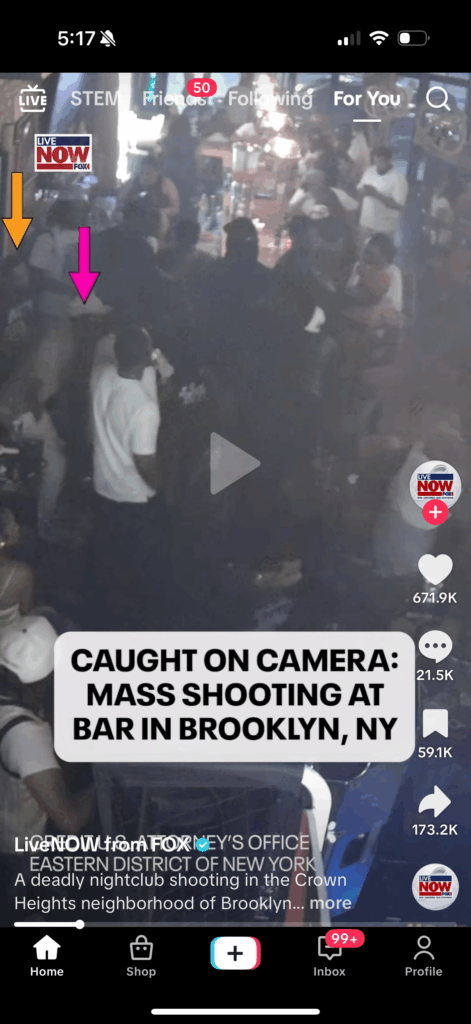
  • We Got This! How Social Media Algorithms Push Misinformation (and What You Can Do About It)

    Why Your Feed Isn’t Random

    If you’ve ever wondered why certain TikToks or Instagram posts always seem to pop up on your feed, here’s the truth: it’s not random. Social media platforms run on algorithms, and those algorithms are designed with one main goal: to keep you scrolling as long as possible.

    That might not sound so bad at first. But here’s the catch: the content that makes people stop, react, and share isn’t usually the most thoughtful or accurate. It’s the most shocking, emotional, or polarizing. And that’s exactly how misinformation ends up spreading so quickly.
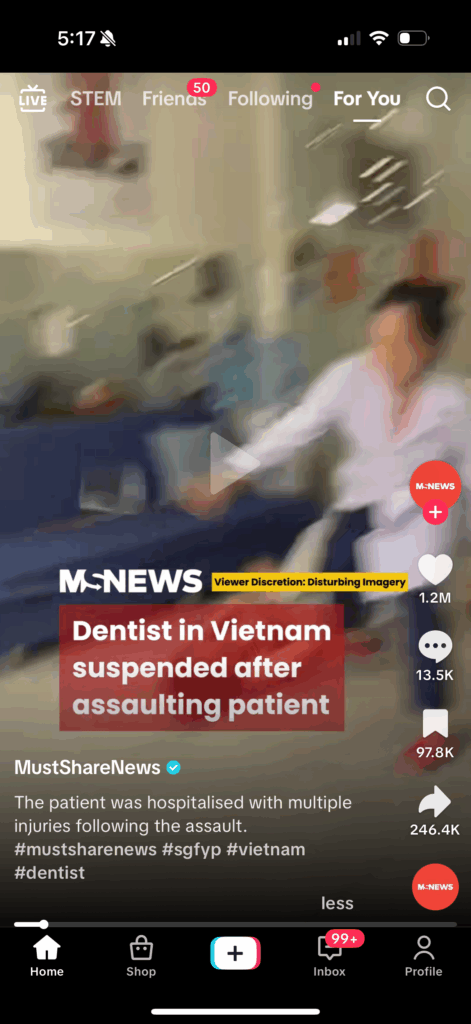
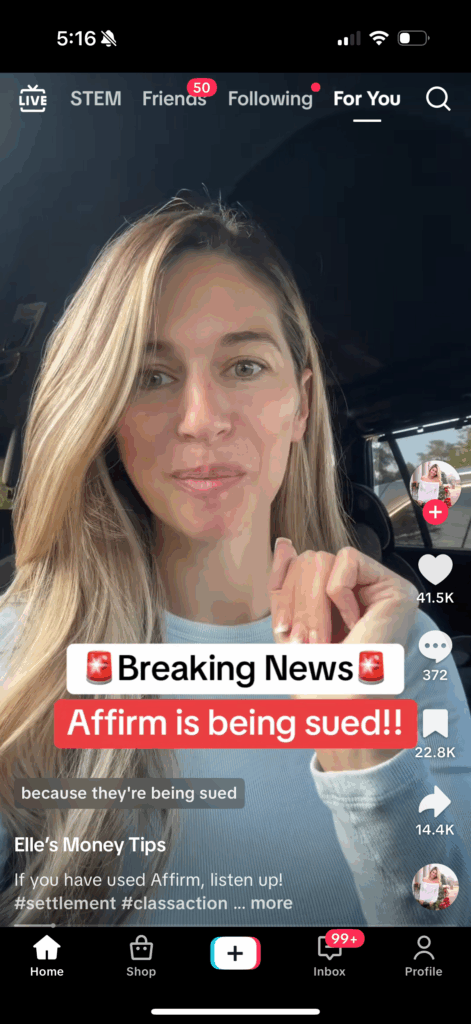


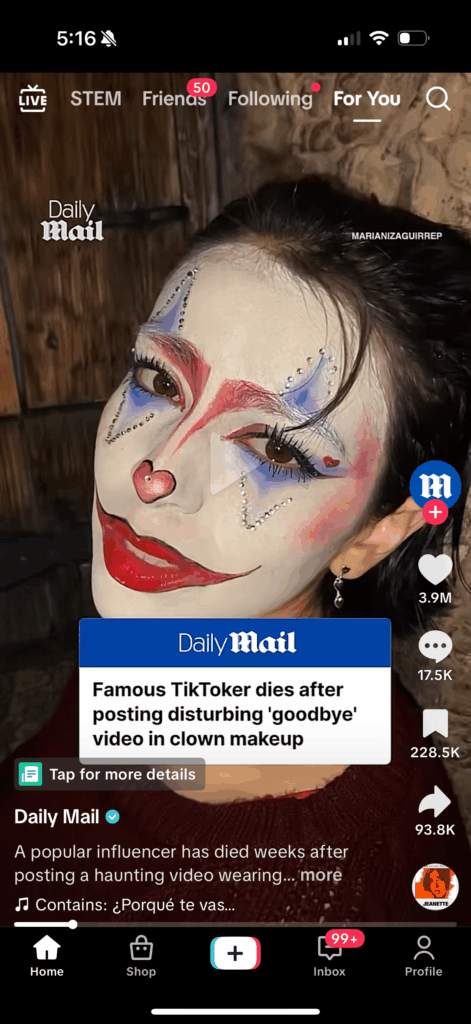
    How Algorithms Actually Work

    Behind the scenes, every time you open Instagram or TikTok, the app is sorting through millions of posts. It’s not showing them in the order they were posted. Instead, it ranks them based on how likely you are to engage.

    So if you pause on a video, like a post, comment, or share something, the algorithm takes note. It learns what grabs your attention and then sends you more of it. That’s why your For You Page or Explore tab feels so personalized.
    But here’s the problem: content that sparks outrage or strong emotions naturally performs better. A misleading headline or a dramatic video gets more clicks than a calm, fact-based explanation. Over time, those posts rise to the top even if they’re misleading.


    Why This Creates Misinformation

    Clickbait gets rewarded. Outrageous claims spread faster than balanced reporting.
    Emotions drive engagement. Posts that make you feel angry, scared, or shocked are more likely to be shared even when they’re false.
    Echo chambers form. The more you interact with a certain type of content, the more the algorithm feeds it back to you. Suddenly, your feed only reflects one perspective, making fringe ideas look mainstream.

    Think about it: watch one conspiracy-style video on TikTok, and before you know it, your For You Page is full of similar clips. That doesn’t happen by accident that’s the algorithm at work.


    Why College Students Should Care

    College students (18–24) are some of the heaviest users of social media. For many of us, TikTok and Instagram aren’t just entertainment they’ve basically become news sources. That’s why understanding how algorithms shape what we see is so important.
    If we aren’t careful, relying only on what shows up in our feeds can leave us misinformed or even anxious about what’s happening in the world. The good news? Once you understand how the system works, you can start to outsmart it.

    Tips to Outsmart the Algorithm

    Here are a few practical ways to take back control of your feed:
    Pause before you share. If a post makes you instantly outraged or shocked, that’s a red flag. Double-check the source before reposting.

    Follow a variety of accounts. Don’t just stick to the same type of content. A mix of perspectives makes your feed less of an echo chamber.
    Look for credibility signals. Is the post linked to a reliable source? Is it from a verified account?

    Take breaks. These platforms are designed to be addictive. If scrolling leaves you feeling stressed, step away.

    Ask yourself: “Who benefits?” Viral content often has an agenda, whether it’s selling something, stirring drama, or pushing a political message.

    Wrapping It Up: We Got This
    The same tools that make funny memes and dance trends go viral are the ones boosting misinformation. That doesn’t mean you have to delete TikTok or Instagram. But it does mean paying attention to how and why certain posts land in front of you.
    Algorithms are powerful, but they’re not unbeatable. By pausing, fact-checking, and broadening what you consume, you can scroll smarter and keep misinformation from shaping your worldview.
    At the end of the day, the message is simple: We got this.


    References
    Vosoughi, S., Roy, D., & Aral, S. (2018). The spread of true and false news online. Science, 359(6380), 1146–1151.
    Cinelli, M., Morales, G., Galeazzi, A., Quattrociocchi, W., & Starnini, M. (2021). The echo chamber effect on social media. PNAS, 118(9).
    TikTok. (2021). Fact-check your feed campaign.
    5 Tips to Outsmart the Algorithm

    • Pause Before You Share – If a post feels shocking, double-check it before reposting.

    • Diversify Your Feed – Follow accounts outside your usual bubble.

    • Look for Credibility – Prioritize verified sources and credible outlets.

    • Take Breaks – Protect your mental health by stepping away when scrolling feels

    draining.

    • Ask ‘Who Benefits?’ – Remember, viral posts often have an agenda behind them.
  • Fact Checking, Community Notes, and the Fight Against Misinformation: How Meta and TikTok Are Responding

    If you spend even a little time online, you know how fast misinformation spreads. One random video, a screenshot, or even just a rumor can rack up thousands of shares in hours. By the time the truth comes out, it feels like the damage is already done. Most major platforms claim to be working on it, but as a user, it often doesn’t feel like the rules are keeping pace with the internet’s rapid evolution. For this post, I looked into what Meta (Facebook, Instagram, Threads) and TikTok are actually doing right now, and honestly, I have mixed feelings.

    Meta: Goodbye Fact Checkers, Hello Community Notes


    For years, Meta had outside fact checkers, actual organizations like AFP and the Associated Press, review viral posts. If a post was marked false, it got a warning label and its reach was cut down. Annoying for people who posted it, but useful for the rest of us who might have been tricked by it.

    In January 2025, Meta announced it was ending that system in the United States and switching to a new model called Community Notes.
    Instead of professionals deciding what is true or false, users can now add their own context under a post. If enough people with different viewpoints agree, the note shows up for everyone. Meta claims this is more democratic and less biased. Fact checking continues in other countries, but in the United States it is community driven.

    What this looks like

    I have seen a couple of these notes on Instagram and Threads already. They are usually short blurbs like, “This claim has been disputed by multiple outlets,” with links attached. Outside the United States, Meta still teams up with fact checkers, especially during elections, to stop fake news and deepfakes before they go viral.

    Pros and cons

    On one hand, Community Notes feel less like censorship from a corporation. It gives regular people a voice, and it can work faster than waiting for experts. But there are obvious issues. People can agree on a note without actually knowing much about the subject. Notes also take time to show up, and by then the post could have already spread everywhere. To me, it feels like Meta wants to avoid being blamed for picking sides, but in doing that, they may have weakened their ability to stop bad information early.

    TikTok: Fact Checkers and the “For You” Problem

    TikTok is a whole different animal. Its For You page can take any video, true or false, and make it blow up overnight. That is why it is one of the most important places for misinformation right now.

    TikTok does still work with outside experts. They have a Global Fact Checking Program that partners with groups like Reuters and AFP. If a video is flagged and confirmed as false, TikTok can take it down, put a warning label on it, or just bury it in the algorithm. They also ban misleading ads, which shows they are at least thinking about misinformation from a money side, not just a user side.

    What this looks like

    I have seen “Get the facts” labels pop up under videos, especially around health topics. During international conflicts, TikTok even hires moderators who speak the local languages so they can review more videos quickly. And sometimes, creators themselves jump in by duetting or stitching a viral misinformation video to debunk it. Those reaction style debunks are actually really effective because they spread in the same way the original content did.

    Pros and cons

    The strength of TikTok’s approach is its mix of expert fact checkers and community corrections. But the problem is TikTok’s own algorithm.
    The system is built to reward whatever gets engagement, and that usually means the most shocking or emotional content. So even if TikTok eventually removes or labels a video, it may have already reached millions of people. In my own feed, I have definitely come across questionable health advice or dramatic news clips that went insanely viral long before the “Get the facts” tag ever appeared. I remember one specific video about a supposed “miracle food” that blew up on my For You page. It had millions of likes before any kind of correction or label appeared. By then, the comments were already full of people saying they were going to try it.

    My Experience as a User

    Here is what stands out to me. These policies are there, but they rarely feel like they keep up with how fast things move online. I have scrolled past posts on Instagram that I thought were suspicious, only to see them get flagged days later. On TikTok, I once watched a trending health hack get millions of views before the debunk videos showed up. By that point, most people who saw the first video probably never saw the correction. My friends even send me these kinds of posts in our group chat before they are flagged, and we all joke about how we know it is fake, but thousands of others are definitely believing it.
    So the question becomes, are these policies actually doing enough. From where I sit, not really.

    What Could Be Better

    Both Meta and TikTok are trying, but I think they need to go further. Here is what I would like to see:

    1. Do not choose between experts and users, use both. Meta should not have completely dropped professional fact checkers. A hybrid model would give us speed and credibility.

    2 .Catch things earlier. Platforms should limit how much a post can spread until it is verified, instead of letting it go viral and cleaning up later.

    3. Show us the data. How long does it take for misinformation to get labeled. How much reach does it get before that happens. Sharing this info would build trust.

    4. Help users think critically. Instead of just slapping “False Information” on something, give people prompts that make them pause, like “Consider the source” or “This has not been verified yet.”

    5. Use better labels. Right now, everything gets treated the same way. But there is a difference between something being misleading versus something being completely false. Clearer categories would help.

    6. Work together across platforms. If a big false story is trending on TikTok, chances are it is hitting Instagram too. Why not share warnings between platforms.

    https://arxiv.org/html/2501.08070v1?utm_source

    Wrapping It Up

    Meta and TikTok are experimenting with two very different strategies. Meta is leaning on community driven context, while TikTok is sticking with expert partnerships. Both approaches make sense in theory, but neither really stops misinformation from spreading like wildfire. I think the solution is a mix, experts for accuracy, users for scale, and smarter algorithms that stop bad content before it goes too far. Until then, misinformation will probably keep outrunning the fact checkers. From my perspective as a daily user, these policies are a good start, but right now they feel more like damage control than prevention.

  • Celebrity Generosity or Fake News? Fact-Checking the Texas Flood Relief Claims

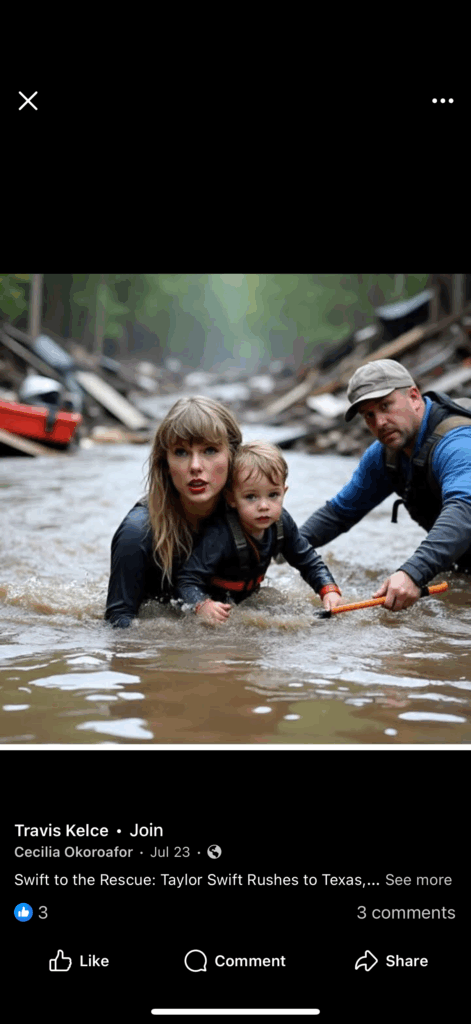
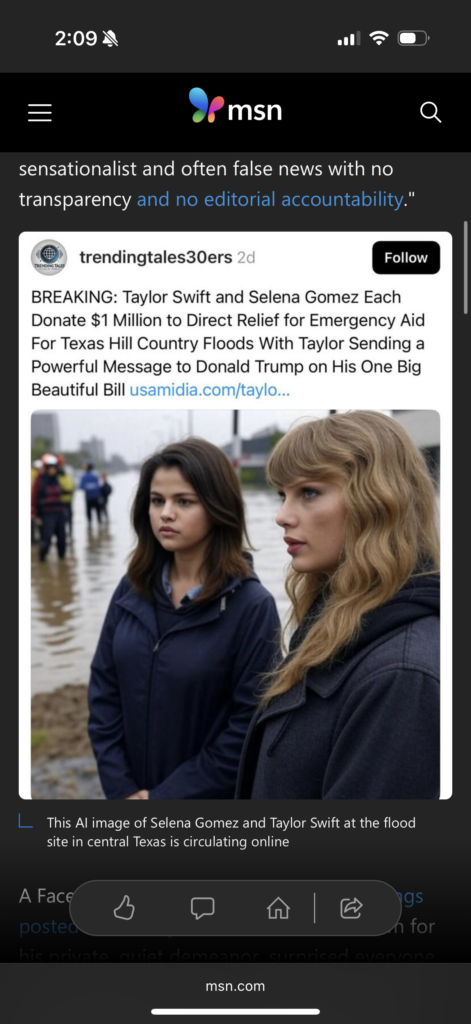
    A few weeks ago, I saw some posts going around on Twitter (X) and TikTok that made claims that country star George Straight had made a very generous donation of $3.5 million to Texas flood relief and that Taylor Swift and her best friend Selena Gomez were not only making donations but also physically helping the victims on the ground. I even saw a few posts that included news-style photos of celebrities in the disaster zone. At first glance it seemed heartwarming. But once I took a closer look at the photo I knew there was something off.


    Step 1: Spotting Red Flags
    The first red flag that stood out to me was the huge dollar figure. Usually when celebrities donate it is reported across multiple platforms and outlets, not just a random viral post. The second red flag was the fact that the photos no only looked “too perfect” but also it almost didn’t really look like them at all. I am very aware of how realistic AI-generated images can be so I was definitely skeptical.


    Step 2: Stopping Before Sharing

    Using Mike Caulfield’s SIFT method, the first step is Stop. Instead of reposting something that gives me even the slightest bit of doubt, I stop and remind myself that just because something is viral doesn’t mean that it’s true.


    Step 3: Investigating the Source

    I looked into the original accounts that posted the claims. Most of them didn’t belong to any major news outlets. Instead, they were random accounts with usernames that sounded like fan pages or generic news copycats. That was a major clue that stood out to me. Real donations of that size would normally be covered by more reputable outlets like the Texas Tribune.

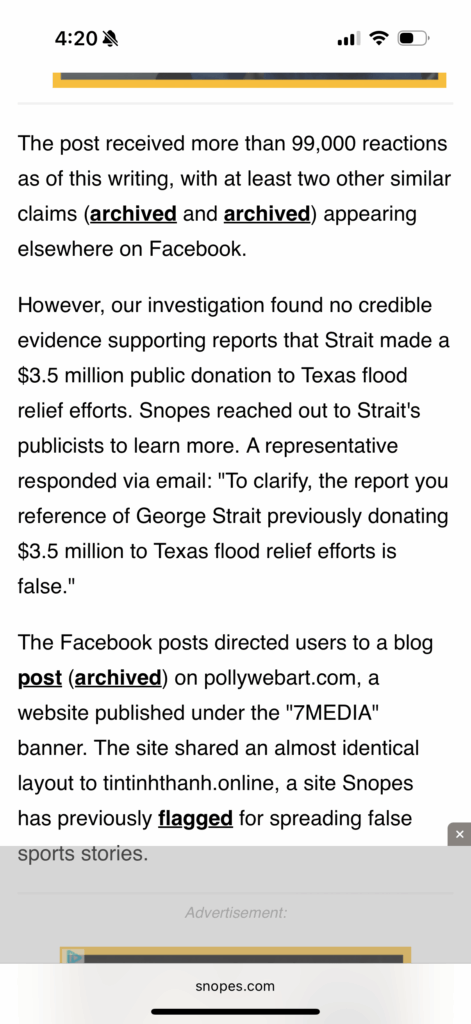
    https://www.snopes.com/news/2025/07/07/flooding-texas-george-strait/?utm_source=


    Step 4: Finding Better Coverage

    Next, I opened a new tab and searched “George Strait $3.5 million flood donation.” What popped up? A MySanAntonioarticle explaining that the claim was false and that the image circulating with it was AI-generated. I also searched “Taylor Swift flood relief Texas” and found fact-checks from Snopes and local papers clarifying she hadn’t been spotted in Texas during the floods. If major outlets are either debunking or not mentioning it at all, that’s a good sign the claim is misinformation.

    https://www.mysanantonio.com/news/local/article/texas-floods-false-celebrity-reports-20759197.php?utm_source=

    Step 5: Tracing the Claim Back
    By looking closely at the images, I could see small glitches faces that looked slightly off, blurred edges, and strange lighting. These are common giveaways of AI editing. Tracing the posts backward, I saw that many were just retweets of the same original AI-generated photo. No legitimate source had ever published them.

    Step 6: Cross-Checking with Reliable Tools

    To double-check myself, I pulled up tools like Newsguard and the to see if the sites pushing the rumor were trustworthy. Spoiler: they weren’t. I also checked News/Media Literacy resources we learned about, like lateral reading, opening new tabs and verifying across multiple sites instead of staying within the viral post’s ecosystem.

    Conclusion

    In the end, none of it was real: George Strait didn’t donate $3.5 million, Taylor Swift and Selena Gomez weren’t physically on the ground in Texas, and the images that made the posts look convincing were created with AI. The rumor spread because it pulled on our emotions during a tragedy, people want to believe in big acts of generosity. But that’s exactly why it’s so important to pause and verify.


    https://www.snopes.com/list/texas-flood-claims-celebrities/?utm_source=


    This process reminded me that evaluating claims isn’t just about getting a yes or no answer. It’s about training ourselves to notice red flags, slow down, and check multiple credible sources before accepting or sharing something. If more people took those extra steps, misinformation wouldn’t spread nearly as fast.

  • Turning the Tables on Fake News: What I Learned by Playing the Villain

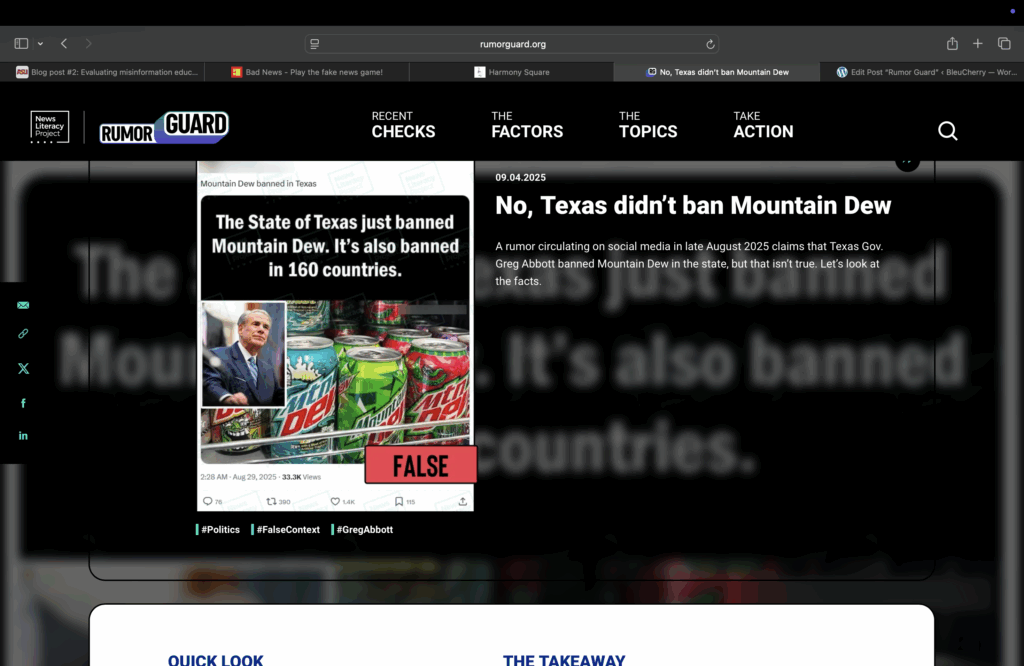
    RumorGuard
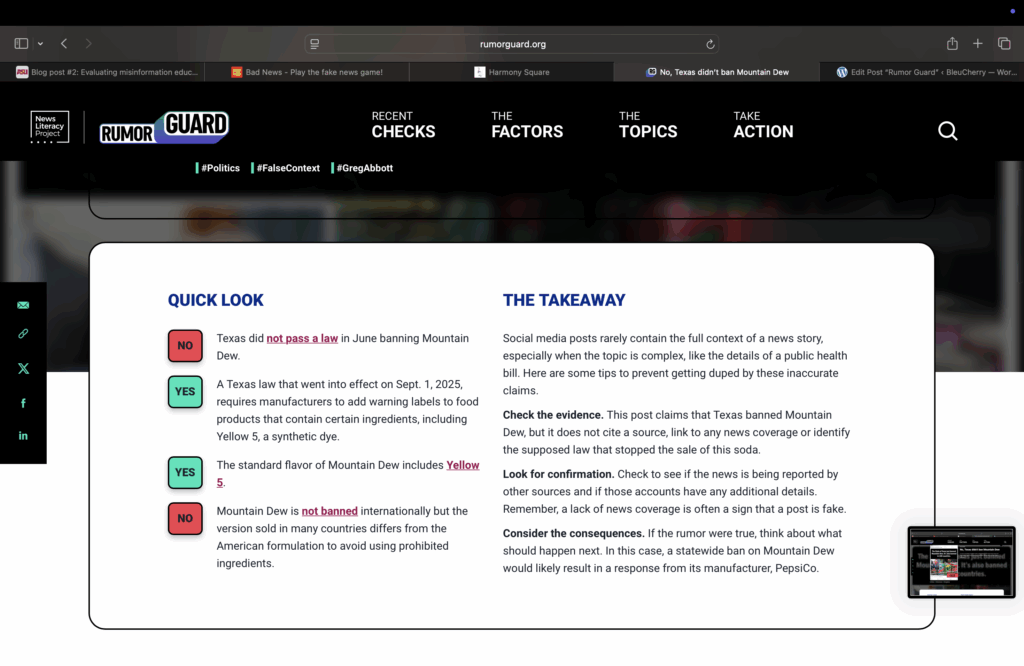
    The first tool I explored was the News Literacy Project’s RumorGuard, which is basically a fact-checking service that helps people sort through viral posts and questionable headlines. The way it works is simple: you scroll through recent claims that are making the rounds online, and RumorGuard breaks them down one by one. Each claim comes with an explanation of whether it’s true or false, and they provide evidence from credible sources to back it up. The tool also gives a quick summary of why something is misleading and offers tips on how to recognize similar red flags in the future.


    What I liked about RumorGuard is that it makes fact-checking really approachable. Instead of having to dig through academic sources or hunt for multiple articles, everything is laid out clearly in one spot. I could see this being useful for everyday people who don’t have time to do deep research but still want to make sure they’re not falling for misinformation.
    As far as effectiveness, I’d say it works well in teaching the basics of media literacy. It’s not necessarily interactive in a “game” sense, but I think the straightforward design makes it practical. You can learn how misinformation works by seeing it applied in real examples that you probably recognize from your own social feeds. It definitely made me think more critically about how often I should be double-checking information before sharing it.


    In general, I think tools like this are really important because misinformation thrives on speed posts get shared faster than people take the time to verify them. Having a quick and trustworthy resource to slow people down is a good step toward making online spaces a little less chaotic.


    Bad News and Harmony Square

    For the second part of the assignment, I actually ended up playing two games: Bad News and Harmony Square. Both had the same general idea you step into the shoes of someone spreading misinformation but they approached it in slightly different ways.
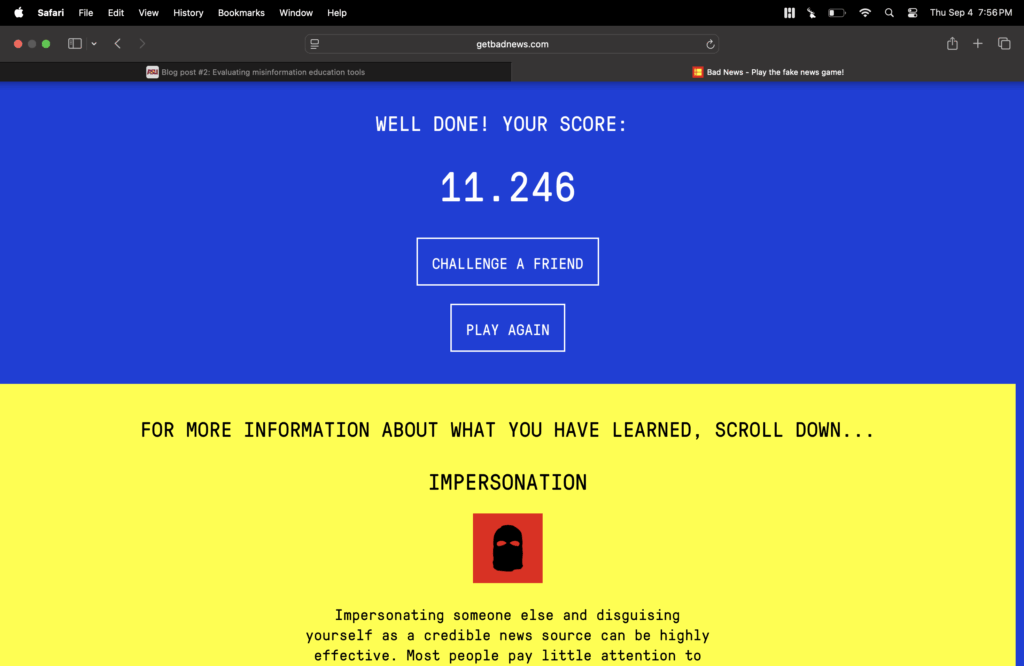
    In Bad News, you act as a kind of shady blogger trying to grow a following by spreading fake content. The game teaches you about six key techniques used in misinformation: impersonation, emotion, polarization, conspiracy, discrediting, and trolling. Each round introduces a new technique, and you get to choose how you want to apply it. I ended up with 11,246 followers by the end, which I don’t think is a huge number compared to what’s possible, but it was interesting to see how my decisions influenced growth. At first, I was confused and didn’t get many followers, but once I started choosing more radical responses, my numbers went up. Even though it was just a game, it felt a little wrong picking the most outrageous, polarizing answers. But that was also the point it showed how quickly things can spiral when misinformation is pushed in extreme ways.

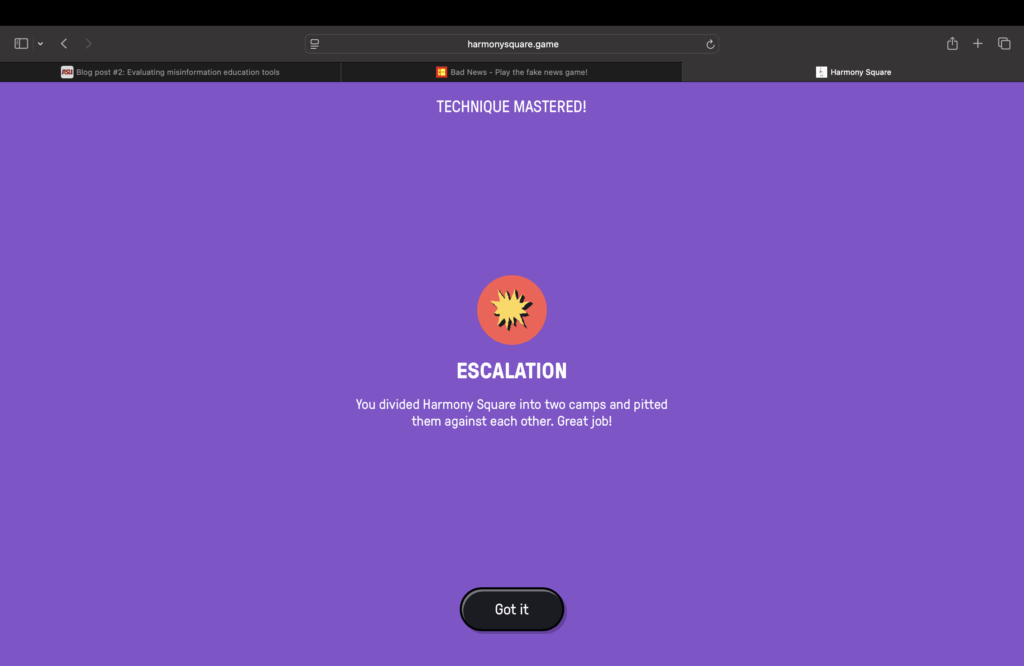
    Harmony Square took a more humorous route. Instead of a generic blog, you’re spreading disinformation in a quirky little town. My outcome was that I “mastered” the technique of escalation, which made sense because I kept choosing the most outlandish options. The whole thing was funny on the surface, but the underlying lesson was serious: once misinformation starts to escalate, it becomes very difficult to stop. The game highlights how easy it is to polarize a community and get people worked up over fake or exaggerated claims.

    What struck me the most in both games was how real it all felt. Obviously, I wouldn’t ever do this in real life, but watching how fake accounts, bots, and inflated follower counts make something look credible was eye-opening. It reminded me of how often people assume information is true just because it comes from a page with a check mark or lots of followers. These games really drive home the point that credibility isn’t the same thing as popularity.
    Overall, I think educational games like these are surprisingly effective. They don’t just tell you about misinformation they make you practice creating it, which makes the lessons stick in a different way. Even though it felt morally uncomfortable to play, I walked away with a better understanding of how manipulative strategies work and why people fall for them. I think tools like this are valuable because they combine learning with interactivity, and that makes the experience more memorable than just reading an article or watching a lecture.

  • 24 Hour Media Diet- Spotting Misinformation

    Hi everyone! This week I took an extra deep look at the media I consume on a day to day basis and it was definitely very shocking how much misinformation there is online. So let’s dive in and talk about the things I noticed.

    7:30 a.m:

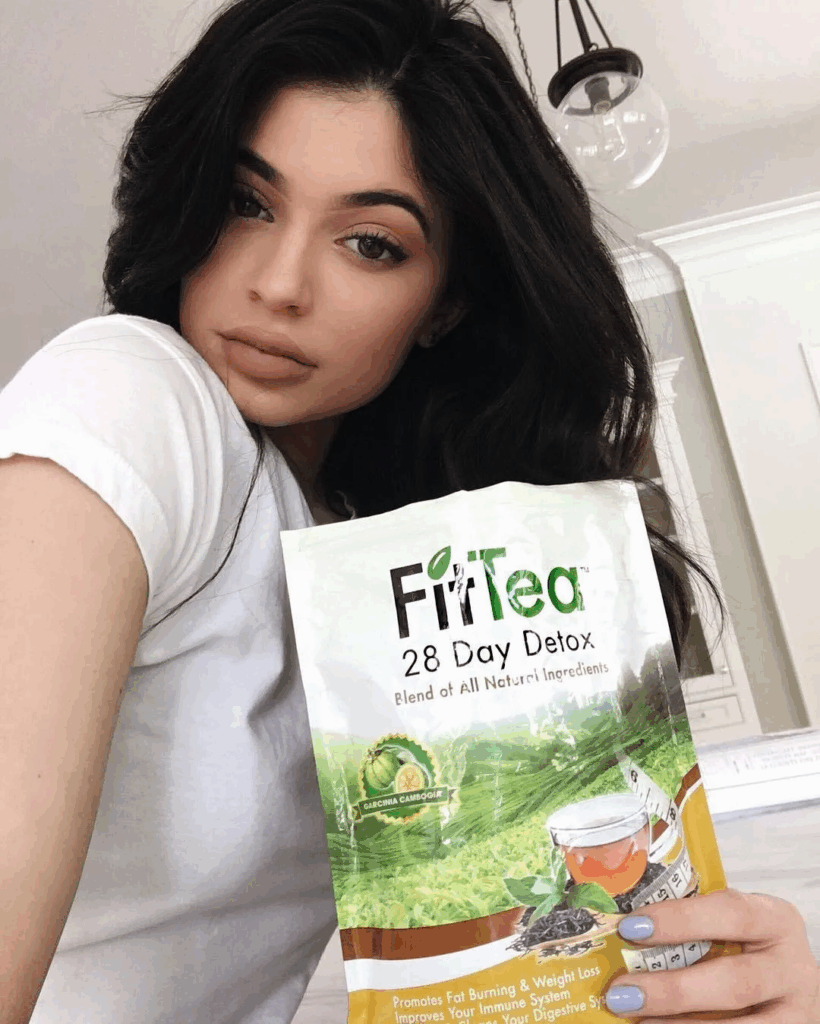
    Woke up, reached for my phone before even getting out of bed (not proud). Opened Instagram and scrolled through stories while still under the covers. One influencer I follow posted a reel claiming you can “detox your liver in 3 days” with a juice cleanse. It had like 30K likes and tons of comments saying “trying this now!!” Not gonna lie, the post caught my eye.. but also a little skeptical. Liver detox? Isn’t that what our liver literally does on its own? Not to mention the fact that this influencer literally is sponsored by the brand that makes the teas.

    8:15 a.m: Got ready for work while playing a “Get Ready With Me” YouTube vlog in the background. The influencer is someone I have been following for quite some time now. I enjoy watching her skin care videos and she is very knowledgeable about different products on te market. She mentioned a new skincare serum that apparently “resets your skin barrier in 24 hours.” Sounds amazing, but… 24 hours? I wonder if that is even possible. I have bought products that this influencer has recommended before. However, 24 hours for a completely healed skin barrier is quite a big claim.

    9:00 a.m: Along with beauty and wellness I do also lobe some reality T.V. On the way to work, I listened to a podcast episode deep diving into the most recent season of Love Island. The podcast host was making some pretty bold claims about one of the cast members and mentioned that she had made a negative comment about someone else on the show. I did some more research and found out that this wasn’t entirely accurate. This showed me how quickly misinformation can spread, even through casual entertainment sources like podcasts.

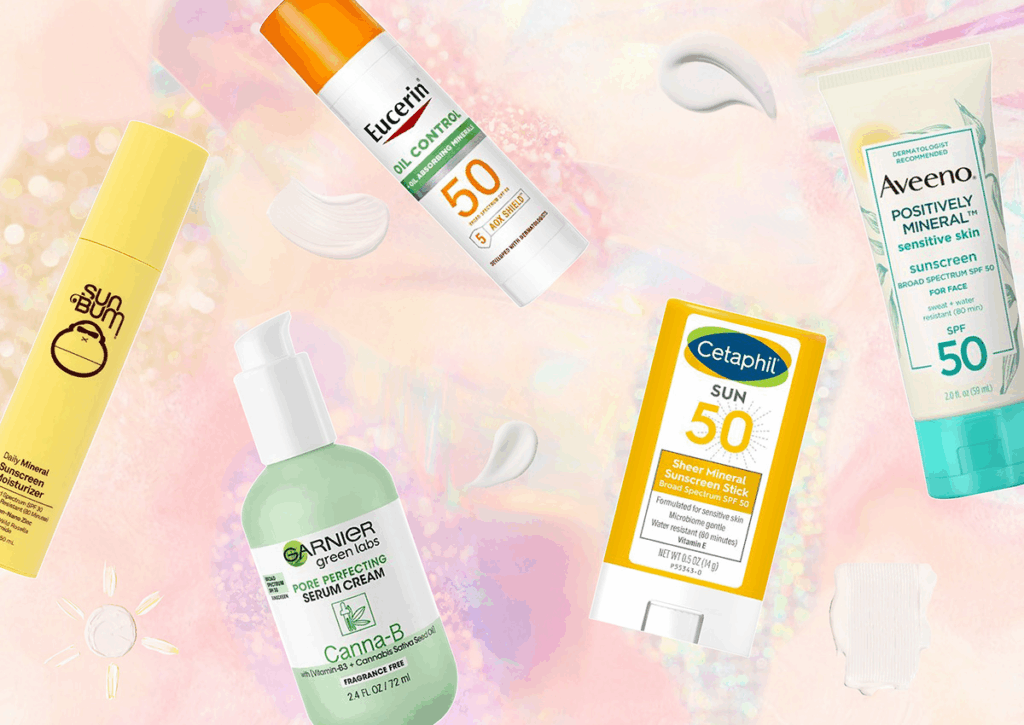
    11:30 a.m.: During some downtime at work, scrolled TikTok. Saw a video from a beauty vlogger claiming that a major drugstore sunscreen brand contains “hormone disruptors banned in Europe.” The creator didn’t show sources, but the comment section was popping off with people throwing away their sunscreen. I saved the post to look into it later. I will admit I have had quite bad hormonal breakouts lately. So this definitely raised some concerns for me considering I am currently using drugstore SPF.

    1:00 p.m.: Had lunch and watched Emma Chamberlain’s latest podcast. No misinformation there just story time content.

    6:00 p.m.: Took a break from homework and got lost in TikTok again and ended up doom scrolling for a bit. Saw a viral “what I eat in a day” from a fitness creator promoting “pro-metabolic eating” she claimed that eating raw carrot salad every day “cleanses estrogen from the body” and can “prevent hormonal acne.” Again, it sounded a little sciencey, but I wasn’t sure if it was real. I do love Carrots and I know there are many different skincare benefits but I wasn’t aware of the estrogen side of things.

    8:00 p.m.: Chilled on the couch with my roommate and rewatched some early 2000s reality TV clips on YouTube (Laguna Beach nostalgia hits). No questionable content here, just iconic drama and cute Y2K Fashion.

    10:30 p.m.: Did one last scroll on Instagram before bed (again, bad habit). Saw a post from a celebrity hairstylist saying sleeping with wet hair causes “brain inflammation” and can “trigger migraines.” That one I totally believe because my mom has been telling me this my entire life. I never listen to her though and I can definitely confirm I wake up with headaches when I sleep with my hair wet.

    Fact-Checking the Questionable Content

    1. Upon fact-checking the “Liver Detox” tea through some google searches and WebMD it turns out there is zero evidence that juice cleanses actually detox the liver. The liver already detoxes the body naturally unless of course it’s damaged. There is technically no need to “cleanse” it with expensive teas and juices.

    https://www.mdanderson.org/cancerwise/the-facts-behind-4-detox-myths-should-you-detox-your-body.h00-159385890.html


    2. As for the Drugstore Sunscreen with “Hormone Disruptors” that I saw on TikTok, I searched the product ingredients in my specific sunscreen (Avobenzone Octinoxate) and while some studies raise some concerns about endocrine disruption at high levels, U.S and EU regulators still allow them in sunscreen. The “banned in Europe” claim was definitely exaggerated. In fact, it is very effective in absorbing UVB rays and protecting against sun damage. However I did find that Key West and Hawaii have banned this ingredient due to it being damaging to their marine ecosystems.

    https://pmc.ncbi.nlm.nih.gov/articles/PMC7648445/


    3. Raw Carrot Salad to “Cleanse Estrogen” that I saw on TikTok. There’s a tiny bit of evidence that raw carrots can bind certain toxins due to their fiber, but the idea that they cleanse estrogen or treat acne isn’t supported by real science. Seems like biohacking gone TikTok. Healthline on Hormonal Acne


    https://www.health.com/raw-carrot-salad-for-hormones-11737136

    4. Sleeping with Wet Hair Causes Brain Inflammation (IG post) I couldn’t find any legitimate medical source supporting this. (my mom was not pleased to hear) Wet hair might make you feel cold or even give you a headache from muscle tension, but “brain inflammation” is a massive leap. This just felt like straight-up nonsense. I did read that it is very damaging to your hair though. That was enough to convince me to cut down on sleeping with wet hair.

    https://www.healthline.com/health/sleeping-with-hair-wet

    Looking back on my day, I’m honestly surprised by how much questionable info I came across without even trying. It’s kind of wild how easy it is to take things at face value, especially when they’re coming from people we like or follow regularly. This little experiment definitely made me more aware of the stuff I scroll past (and sometimes believe) without a second thought. I’m not saying I’ll fact-check every post I see from now on, but I’ll definitely be more cautious moving forward and maybe think twice before buying a $40 detox tea just because it went viral.

  • Who Owns the Public Square? Lessons from Twitter, Reddit, and the Future of Online Community

    In the last 12 months, massive Twitter (now X) and Reddit changes have revealed just how fragile our largest online communities really are. These platforms, commonly referred to as digital “town squares,” are in reality governed by a small group of powerful individuals or companies. Because when they suddenly make decisions like this, they can send millions of users scrambling and raise broader questions about who really owns the places where we communicate.

    Twitter was purchased in 2023 by Elon Musk, and the company was rebranded as X. Musk implemented massive changes: He fired thousands of employees, completely revamped verification, altered content moderation, and increased the visibility of paid users. These shifts caused the number of daily active users to plummet about 30% by the end of 2023, The Verge reported. Many longtime users and especially journalists, activists and researchers all stopped using the platform, or scaled back. Many migrated to Mastodon or Bluesky, looking for platforms with less chaos and more openness.

    Reddit faced its own backlash in mid-2023 when it began charging high fees for API access. This move effectively shut down many third-party Reddit apps and accessibility tools. Moderators who do unpaid labor to manage Reddit communities protested by making major subreddits private or read-only. Reddit refused to back down, prioritizing its IPO plans over community concerns.

    The reason these kinds of things happen is due to the centralization: Centralized platforms provide both incredible scale and incredible convenience, but by doing so they make this sort of thing possible, and often easy. A single person can rewrite the rules of the game overnight, locking people out of their communities, and prizing profit over people. Although they profit from our content, our labor, our loyalty, we have materially no control over how these platforms are run.

    That’s why an increasing number of people are seeking out decentralized options. Mastodon, for instance, allows users to sign on with independently operated communities that all link to one another through a common protocol. No one person owns it. Likewise, Bluesky, which was initially funded by Twitter, is based around a protocol allowing people to bring their content and followers with them from one platform to another. Central to this notion of portability is user ownership: people can take their content and relationships with them so they’re not waiting for the hammer to drop when a platform goes up in flames.

    Some experts have said government intervention is necessary. One possibility is to demand that platforms offer data portability, so that users can take their communities with them to another place. The European Union has already started to more tightly regulate big-tech platforms, through the Digital Services Act (DSA), which requires transparency and risk assessments. But here in the United States, we’re still relying mostly on corporate beneficence, a roll of the dice.
    For myself, as of lately I’ve begun to split my time online. I continue to use Reddit, but with more caution. I have never considered using Mastodon and looking at closed community spaces, like Discord, but perhaps I might. These platforms may not be as appealing, but they feel more thoughtful and safer from sudden upheaval. I’ve begun to be more conscious about what I post and where. If a platform doesn’t treat its users with respect, I don’t want to use it to give it my content or my attention.

    Ultimately, we as a society need to re-examine our relationship with online platforms. Politics should not be a sport for billionaires and multinational corporations. What we need are digital spaces that put community first, that offer transparency and accountability. Until then, the question of “who owns what we say to each other?”. remains unanswered.

    And we should all be concerned about that.

    Sources:

    https://mashable.com/article/elon-musk-x-declining-user-base-2025

    https://thedailycougar.com/2024/08/05/elon-musks-twitter-takeover-has-been-disastrous-for-the-site/

    https://freedomhouse.org/article/eu-digital-services-act-win-transparency

    https://www.infegy.com/insight-brief/api-ocalypse-now
  • Editing Cedar Beach on Wikipedia: My First Experience

    The topic I chose to edit on the Wikipedia page was about Cedar Beach located in Long Island NY. I chose this spot because I grew up spending weekends on houseboats there with my friends and family. Cedar Beach has always held significance for me, and, eager to add to its Wikipedia page, I wanted to share the experiences of the people who made it a summer tradition to head over to the Cedar Beach Marina and camp out with their loved ones!

    The first step was to vet a good source. I pulled up the town of Babylon’s official website, which contains information about Cedar Beach Marina and campgrounds. Government webpages can be trusted sources on Wikipedia, so I knew this was a safe bet. I wanted to write a few sentences about the marina, season boat slips, how camping on the beach is popular, what is offered to visitor etc.

    Before I made the edit, I wrote a brief note on the article’s Talk page. I actually explained that I was a new editor and that I intended to include information about the marina and campgrounds, based on a cited reliable source. I was a bit late on getting started with the assignment but I went ahead and gave the writers a heads up anyway!

    After putting it on the Talk page I made the edit immediately. I included a small paragraph in the “Amenities” section talking about the marina, camping, and amenities like picnic tables, rest rooms and fishing piers. I even added reference that goes straight to Town of Babylon’s Cedar Beach Marina and Campgrounds page. I took screenshots of my Talk page comment and the edit, for the assignment.

    All in all, editing was far easier than I thought it was going to be. This essay is edited with the Visual Editor or with one of the other editing tools of Wikipedia. The most difficult part was making sure I included the exterior links correctly but I used Wikipedia’s link tool to assist with that. I was shocked at how easy editing was.

    It certainly made me look at Wikipedia differently. I never really thought about Wikipedia much except as a place to check an occasional fact before tackling this assignment. I did not really understand the level of collaboration, sourcing and discussion that takes place behind the scenes. Editing showed me that, though Wikipedia is open to the public, it is firmly monitored and quality control is to ensure the accuracy of its articles. I now consider Wikipedia less a “casual” resource and more a serious project relying on the good will of contributors.

    In future, I’d be much more happy to make minor changes and contribute in the future if i also see a slight gap or unavailability of content in any article. I’m grateful to have been able to get an up-close look at the process especially since it was a topic that I hold near and dear to my heart!

    Town Of Babylon official Website:

    https://www.townofbabylonny.gov/479/Marinas-Campground

    Wikipedia Entry on Cedar Beach Long Island:

    https://en.wikipedia.org/wiki/Cedar_Beach_(Brookhaven,_New_York)

    photo: https://longislandmediagroup.com/town-of-babylon-outlines-memorial-day-weekend-beach-plans/

  • Blog Post: Reflecting on AI and the Writing Process

    For this assignment, I used ChatGPT to generate a pseudo blog post about the benefits of establishing a morning routine for mental clarity and productivity. I chose this topic because wellness is something I genuinely care about and have personal experience with. The original response ChatGPT gave me was surprisingly solid it had a good structure, a calm tone, and even included helpful suggestions like journaling, stretching, and hydration.

    That said, when I moved into the editing stage in Google Docs, I realized how important it was to put the response into my own voice. The AI-generated version was fine, but it felt a little generic. I made some changes and corrections to the post that ChatGPT had generated. I also gave my own opinion that I find I have the best mornings when I do wake up at 5AM. Not that everyone has to do it that way. I just enjoy my time in the morning and hate feeling rushed so I give myself extra time.

    Here is the link to my edited version: Google Doc – https://docs.google.com/document/d/1-7H_ddLe2SR9EZGo1KWcIBy3mAKXBpGtVYmxT1WbvXw/edit?usp=sharing

    This experience showed me that tools like ChatGPT can be helpful for brainstorming and getting started, but they definitely aren’t a replacement for your own ideas or personal touch. I think it’s useful when you’re stuck or need place to start, but I wouldn’t trust it to do all the work. It’s a tool not a shortcut.
  • Healing & Whole Foods: My Reset After Being Sick

    This week’s blog is all about taking small steps for a healthier me! After being home sick with a stomach virus, I realized how much I take my health for granted. Now that I am feeling better, I made a trip to Whole Foods to grab some nourishing foods to whip up in the kitchen. I’m excited to start experimenting with new recipes. Although I am not much of a cook, I’m ready to learn! Sometimes it really does take a little setback to remind us to take extra care for ourselves. Stay tuned for some delicious (and healthy) adventures in the kitchen!

  • Post with Pictures

    Screenshot

    Hey everyone! Now that we are getting started with posting on our blogs, I wanted to introduce you to my sweet dog. His name is Bleu, and he’s truly my best friend. I love cherries, as you can tell from the photo, and it felt right to incorporate both of these things into my blog. Bleu is not just my pet, but he’s also the inspiration behind my blog’s name. When we were brainstorming ideas for our blogs, the first thing that came to mind was “Bleu Cherry.” It combines two of my favorite things and I couldn’t be happier with it!

    Photo by Valeria Boltneva from Pexels: https://www.pexels.com/photo/woman-with-shiba-inu-near-sakura-tree-7960253/

    I got this photo off of Pexels and it was free to use under their license. It captures a joyful moment between a woman and her dog. The dog is a Shiba Inu and the focus of the image is the joy of being outdoors with your loyal companion. Surrounding them are beautiful soft pink cherry blossoms for a beautiful spring time atmosphere. The vibrant cherry blossoms and the natural lighting make this photo more cheerful and heartwarming.

    For this assignment, I used DALL-E, an AI image generation tool, to create a whimsical and visually appealing image. I described a cute brown beagle surrounded by cherry blossoms and cherries. I wanted the image to feel soft, serene, and a little playful, capturing the sweetness of both the dog and the setting. I chose a beagle because of their expressive eyes and friendly look, and added cherry blossoms and cherries to create a cohesive, spring-like theme. The result blends nature and charm in a peaceful scene that feels both imaginative and heartwarming.