Why Your Feed Isn’t Random
If you’ve ever wondered why certain TikToks or Instagram posts always seem to pop up on your feed, here’s the truth: it’s not random. Social media platforms run on algorithms, and those algorithms are designed with one main goal: to keep you scrolling as long as possible.
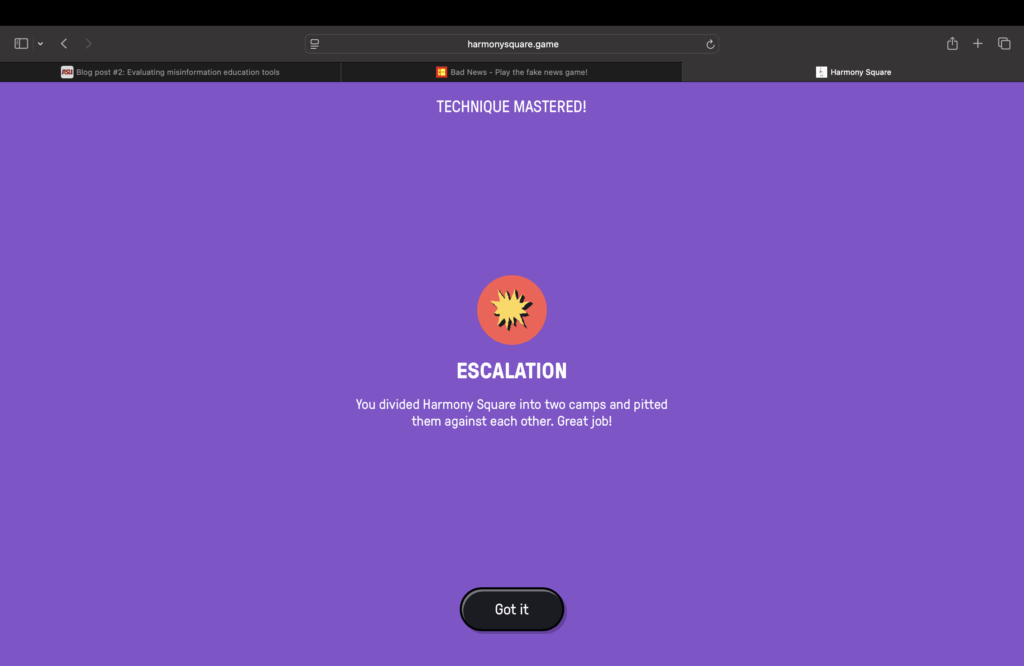
That might not sound so bad at first. But here’s the catch: the content that makes people stop, react, and share isn’t usually the most thoughtful or accurate. It’s the most shocking, emotional, or polarizing. And that’s exactly how misinformation ends up spreading so quickly.

How Algorithms Actually Work
Behind the scenes, every time you open Instagram or TikTok, the app is sorting through millions of posts. It’s not showing them in the order they were posted. Instead, it ranks them based on how likely you are to engage.
So if you pause on a video, like a post, comment, or share something, the algorithm takes note. It learns what grabs your attention and then sends you more of it. That’s why your For You Page or Explore tab feels so personalized.
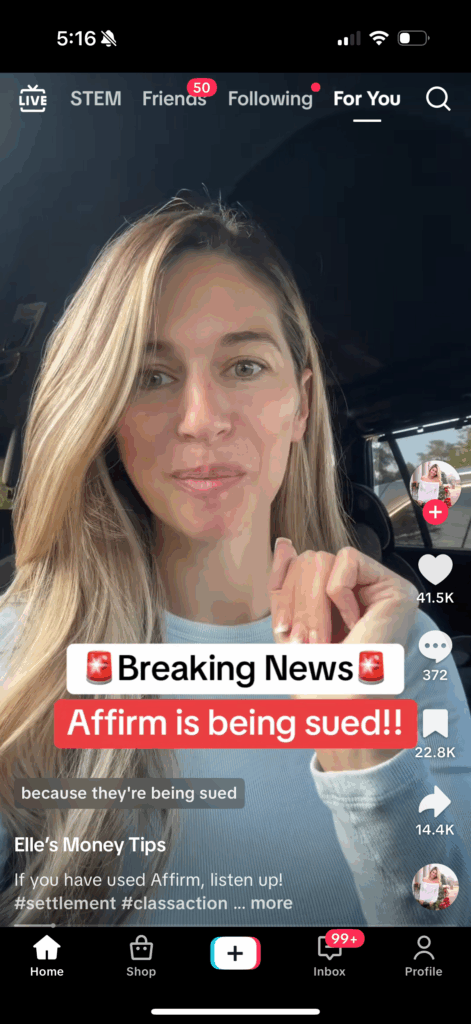
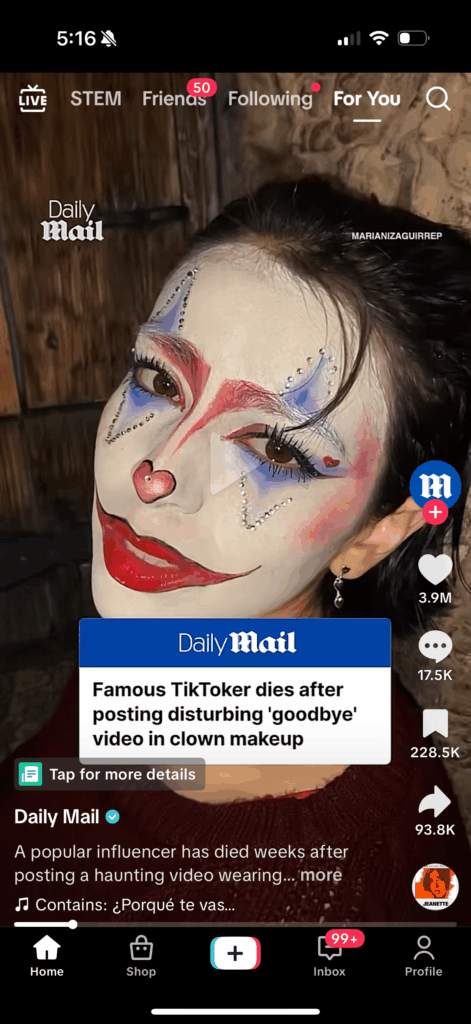
But here’s the problem: content that sparks outrage or strong emotions naturally performs better. A misleading headline or a dramatic video gets more clicks than a calm, fact-based explanation. Over time, those posts rise to the top even if they’re misleading.
Why This Creates Misinformation
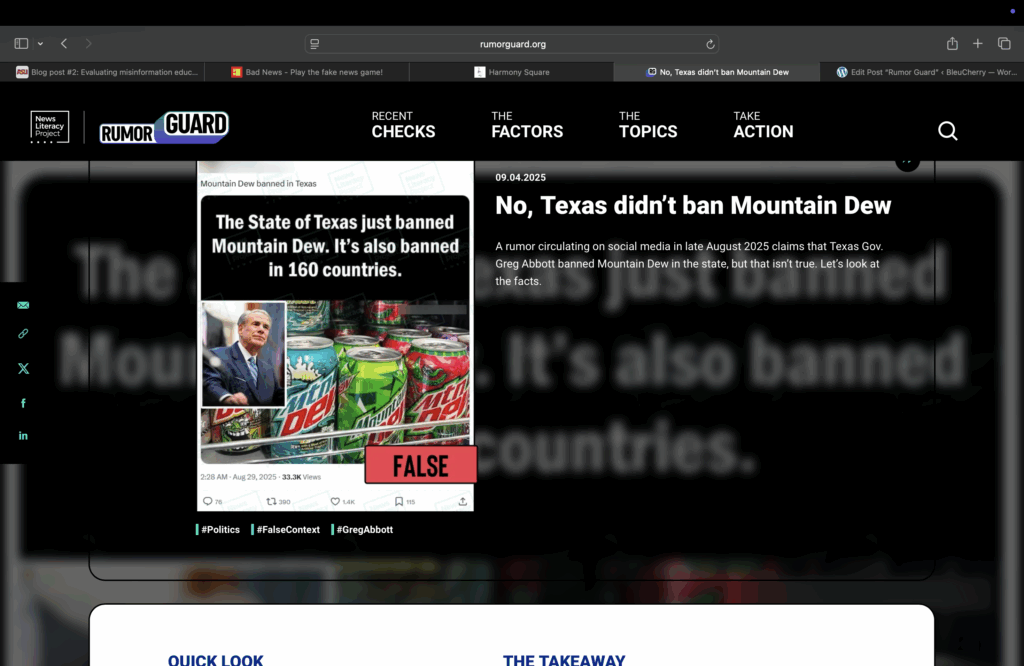
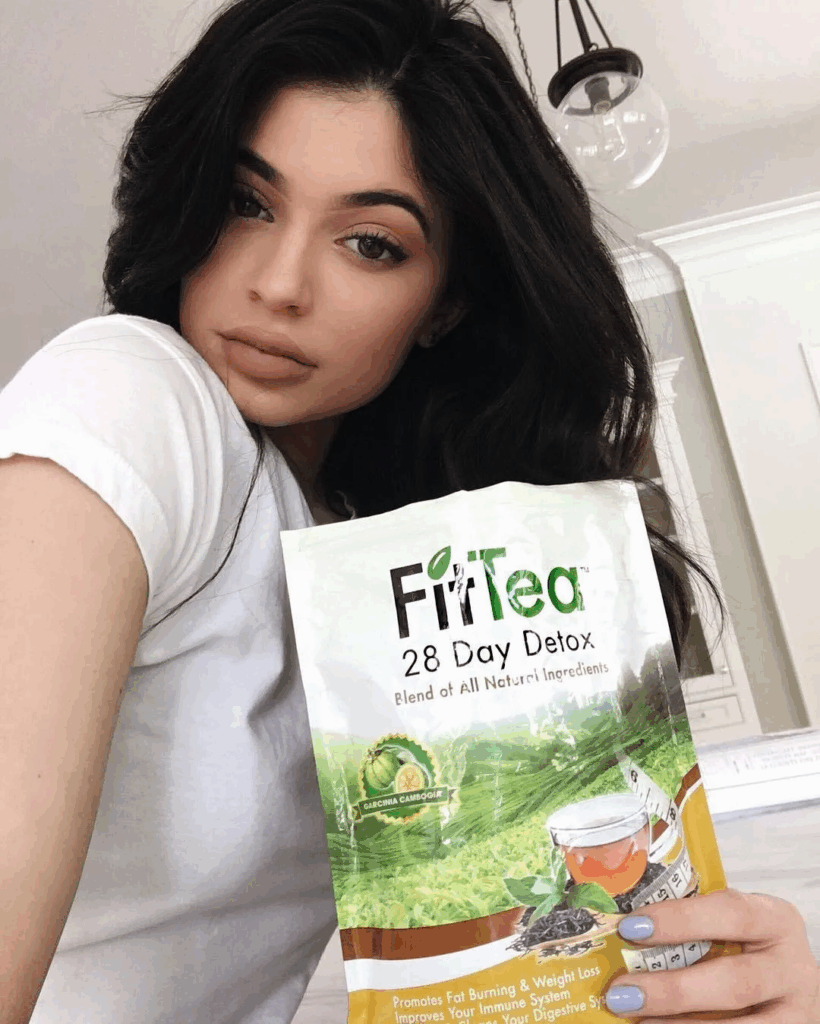
Clickbait gets rewarded. Outrageous claims spread faster than balanced reporting.
Emotions drive engagement. Posts that make you feel angry, scared, or shocked are more likely to be shared even when they’re false.
Echo chambers form. The more you interact with a certain type of content, the more the algorithm feeds it back to you. Suddenly, your feed only reflects one perspective, making fringe ideas look mainstream.
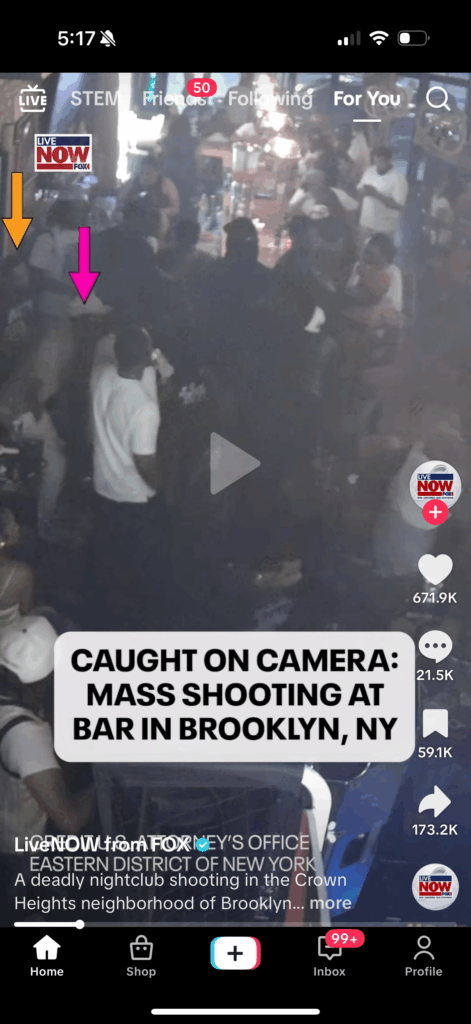
Think about it: watch one conspiracy-style video on TikTok, and before you know it, your For You Page is full of similar clips. That doesn’t happen by accident that’s the algorithm at work.
Why College Students Should Care
College students (18–24) are some of the heaviest users of social media. For many of us, TikTok and Instagram aren’t just entertainment they’ve basically become news sources. That’s why understanding how algorithms shape what we see is so important.
If we aren’t careful, relying only on what shows up in our feeds can leave us misinformed or even anxious about what’s happening in the world. The good news? Once you understand how the system works, you can start to outsmart it.
Tips to Outsmart the Algorithm
Here are a few practical ways to take back control of your feed:
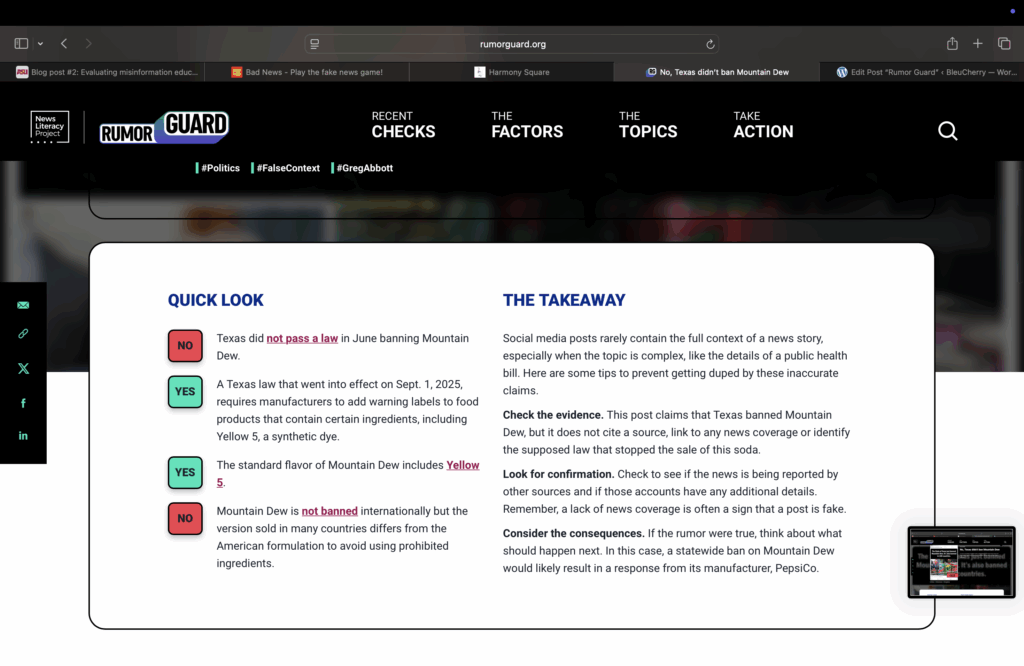
Pause before you share. If a post makes you instantly outraged or shocked, that’s a red flag. Double-check the source before reposting.
Follow a variety of accounts. Don’t just stick to the same type of content. A mix of perspectives makes your feed less of an echo chamber.
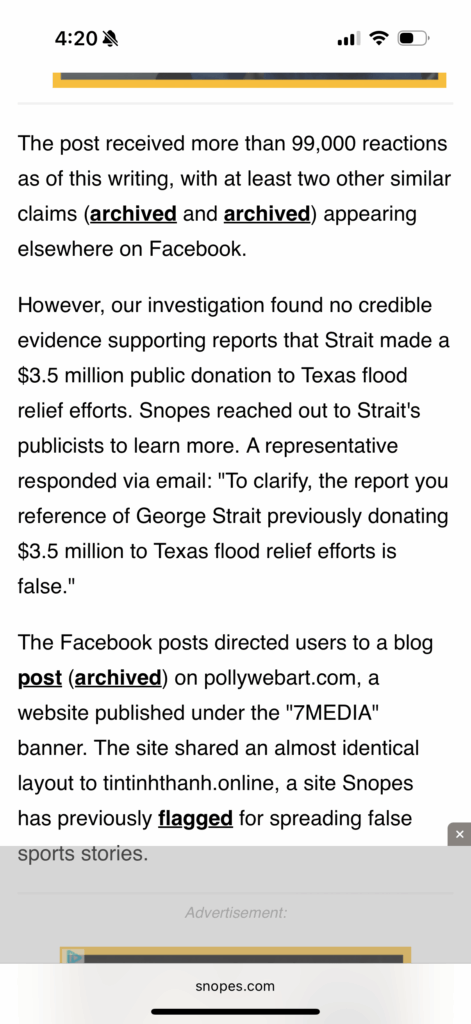
Look for credibility signals. Is the post linked to a reliable source? Is it from a verified account?
Take breaks. These platforms are designed to be addictive. If scrolling leaves you feeling stressed, step away.
Ask yourself: “Who benefits?” Viral content often has an agenda, whether it’s selling something, stirring drama, or pushing a political message.
Wrapping It Up: We Got This
The same tools that make funny memes and dance trends go viral are the ones boosting misinformation. That doesn’t mean you have to delete TikTok or Instagram. But it does mean paying attention to how and why certain posts land in front of you.
Algorithms are powerful, but they’re not unbeatable. By pausing, fact-checking, and broadening what you consume, you can scroll smarter and keep misinformation from shaping your worldview.
At the end of the day, the message is simple: We got this.
References
Vosoughi, S., Roy, D., & Aral, S. (2018). The spread of true and false news online. Science, 359(6380), 1146–1151.
Cinelli, M., Morales, G., Galeazzi, A., Quattrociocchi, W., & Starnini, M. (2021). The echo chamber effect on social media. PNAS, 118(9).
TikTok. (2021). Fact-check your feed campaign.
5 Tips to Outsmart the Algorithm
• Pause Before You Share – If a post feels shocking, double-check it before reposting.
• Diversify Your Feed – Follow accounts outside your usual bubble.
• Look for Credibility – Prioritize verified sources and credible outlets.
• Take Breaks – Protect your mental health by stepping away when scrolling feels
draining.
• Ask ‘Who Benefits?’ – Remember, viral posts often have an agenda behind them.