Category: Uncategorized

  • Community Guidelines

    Welcome to BleuCherry! An online community where my goal is to create a safe space where people feel safe, heard and respected. Lets start off with some community guidelines that will keep this online space welcoming and fun!

    Respectful Engagement: I value constructive discussions. Please always be sure to engage with others respectfully, even if you disagree. Personal attacks, hate speech, or discriminatory language of any kind will not be tolerated.

    Relevance and Quality: In order to keep great conversations flowing, please avoid spamming, irrelevant links, or off topic remarks. Thoughtful contributions keep the conversation engaging and meaningful.

    Flagging Inappropriate Content: If you happen to come across any content that violates these guidelines, please feel free to report it. This will help to keep the community safe and welcoming for everyone!

    Comment Removal Policy: I will be removing any comments that are inappropriate or hurtful in anyway. This includes comments that contain offensive language, personal attacks, spam, or harmful content. My goal is to maintain a positive environment for all.

    Banning Policy: Any repeated violations of the community guidelines will result in a ban. All voices deserve a safe space to be heard and respect for others is imperative. Persisted misconduct will result in a permanent ban.

    Let’s work together to keep this space inclusive, safe, and enjoyable for everyone!

    Sources: Adapted from online community moderation best practices.

    Google’s Community Guidelines:
    Link: https://about.google/company-info/

    photo: https://www.pinterest.com/pin/351912466083684/

  • Reimagining the Future: How Black Panther Challenges Current Social and Political Systems

    Reimagining the Future: How Black Panther Challenges Current Social and Political Systems

    One of the most important cultural resources that presents a reimagined view of society is the 2018 movie Black Panther. Directed by Ryan Coogler, Black Panther is much more than just another superhero film. It is a powerful statement about race, power and identity. The movie takes place in the fictional African nation of Wakanda, a highly advanced society that has remained isolated from the rest of the world, allowing it to thrive without any outside influence. Wakanda represents an imagined alternative to the political, social, and economic conditions that many African nations face in real time today. This film offers a different perspective on how things could be if history had been different.

    The Imagined Alternative

    The key idea behind the Black Panther film is that Africa, which is often stereotyped by other nations as being underdeveloped and poor, could have been a global leader had it not been for the long history of colonization and exploitation. In the movie, Wakanda is a technologically advanced country that is rich in resources, particularly vibranium, which is a powerful fictional metal. The people of Wakanda live in a society that is prosperous and free of disease and poverty. This is to show how things could have been had African nations been able to develop on their own without the interference of colonization.

    This reimagined Africa is in stark contrast to the way many parts of the real world, specifically in Africa and the African diaspora, are portrayed today. The movie’s main antagonist, Killmonger, represents a radical idea for change. His plan to use Wakanda’s resources to help oppressed people around the world challenges the way that power and resources are distributed globally. Killmonger believes that the wealthy nations, especially those in the Western world, benefit from exploiting others, and he wants to change that by giving the power back to the oppressed.

    Technological and Systemic Change

    To make Wakanda’s vision a reality, there would need to be major shifts in technology and global systems. In the movie, Wakanda’s advanced technology is used as a way to improve the lives of its people, offering limitless potential. However, in the real world, such technology is often kept in the hands of powerful, wealthy nations. The distribution of resources, especially technology, would need to change in order to make the world more equitable.

    This imagined future would also require a shift in global politics. Countries like Wakanda in the film are shown as using their power in a responsible way. On the other hand, today many powerful nations continue to benefit from inequality. In real life, this could mean that we should rethink things like global trade, foreign aid, and political relationships between wealthy and developing countries. To bring about change, we would have to address historical wrongs. For example, colonialism and the systemic oppression of marginalized groups. That way, we could make more steps toward restorative justice.

    Reflections on Current Conditions

    Although Black Panther presents a world that is far removed from the one we live in, some of its ideas are already present in current society. For example, the movie puts a large emphasis on African pride and identity connects to the global rise of movements like Black Lives Matter. This shows the connection in the need to address racial inequality and fight harder for justice. The film also sparked important conversations surrounding the lack of representation of Black people in Hollywood and the
    broader media. This movie helped to open doors to push for more diverse stories and perspectives.

    In addition, Killmonger’s message about using power to help others is reflected in today’s growing interest in global solidarity. Issues such as reparations, wealth inequality, and the need to decolonize the way we think about our history are becoming more openly discussed. These conversations though not fully resolved, definitely show that Black Panther brought some of the ideas reflected in the film to life and some are being taken seriously in real-world activism.
  • The Stereotype of “Pretty and Unintelligent”: How Media Shapes Perception

    The Stereotype of “Pretty and Unintelligent”: How Media Shapes Perception

    We live in a society where media constantly bombards us with images,stories, and portrayals. In a world like this, it is inevitable that certain stereotypes tend to stick even if they are damaging. As someone who fits into the category of being “conventionally attractive,” I often face the stereotype that beauty and intelligence are mutually exclusive. This stereotype, which associates someone’s physical appearance with a lack of intelligence, can feel incredibly limiting in all areas of life. For example growing up I was faced with this stereotype in school, as I grew older I was faced with this in professional work settings, and it is perpetuated by popular media as well.

    This idea that a pretty person must be shallow, vain, or unintelligent has been ingrained in society for decades. Characters in movies and TV shows often embody this stereotype. The “dumb blonde” trope is a perfect example. Characters like Elle Woods from Legally Blonde or characters in TV shows who are portrayed as the “pretty but dumb” ones are a storyline that is very common in the media. While these portrayals can sometimes be funny or entertaining, they perpetuate a harmful belief that beauty and intelligence cannot coexist. This assumption is not only inaccurate but also reduces the complexity of people to one-dimensional stereotypes based solely on their appearance.


    In my personal experience, I have found that when people first encounter me, the initial reaction is often that I must be “just another pretty face” with little substance. While I do enjoy taking care of my outer appearance, that should never imply a lack of depth or capability. The assumption that someone’s intellectual abilities are tied to their looks is extremely reductive and it discredits the wide range of personal life experiences and talents that people possess.

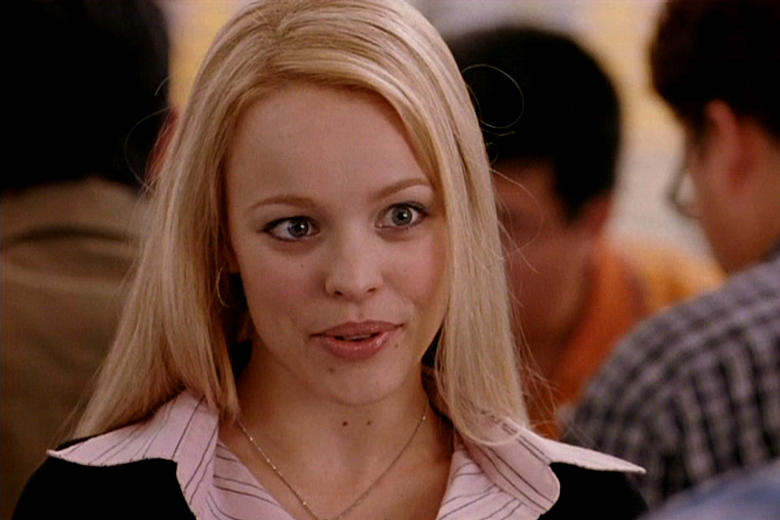
    One of the most obvious examples of this stereotype in the media is the portrayal of female characters in films like Mean Girls or Clueless. Regina George in Mean Girls is beautiful, popular and portrayed as manipulative. While she is certainly a skilled leader in some contexts, her intelligence is rarely highlighted. This reinforces the idea that someone who is attractive is likely to be self-centered or lacks depth. In Clueless, Cher Horowitz is another “beautiful but unintelligent” character. Although Cher is portrayed as having good intentions and kind, her perceived lack of intelligence is played for laughs, further perpetuating the idea that outward beauty and inner depth or intelligence cannot coexist.

    However, this stereotype is not entirely true. In my personal experiences, I have faced the misconception that my intelligence is secondary to my appearance time and time again. It is definitely frustrating to constantly feel like I need to prove myself in academic or professional settings more than someone else would. Being a woman in general is hard enough in the professional world where men tend to discredit our capabilities. Being a bit attractive on top of that can sometimes feel impossible to break these stereotypes and be viewed based on your accomplishments. Beauty should never be a determining factor in evaluating someone’s intellectual capabilities, yet these media representations send the message that beauty automatically equates to simplicity or shallow intelligence.

    This stereotype can be harmful because it creates a false narrative for both those who are labeled as “pretty” and those who interact with them. It limits the opportunities for women (or anyone fitting this stereotype) to be taken seriously in intellectual pursuits or professional spaces. It also pressures individuals to conform to societal expectations about how they should behave or present themselves. The idea that beauty and brains cannot go hand in hand is not only misleading but also very damaging to people’s self-worth.
    On the other hand, this stereotype does benefit certain media narratives by creating easily recognizable character archetypes that audiences can quickly identify with or laugh at. However I believe that the harm it causes outweighs the convenience of this overdone storyline. It reduces human beings to stereotypes that don’t reflect their full humanity as individuals.

    All in all, the stereotype of the “pretty and unintelligent” individual is not only inaccurate but also unfair. Media constructions like this are often missing very important perspectives and fail to account for the fact that as human beings we are multifaceted and there are many layers to our identities. It is crucial to challenge these types of stereotypes and recognize that people’s abilities, worth and intelligence should never be based solely on their outward appearance. Beauty and intelligence are not mutually exclusive. A person’s intellectual capabilities should be judged by their actions and ideas not their physical traits.

  • Title: The Sandy Hook Conspiracy: Understanding the Origins and Rise of Misinformation

    The tragedy that occurred in 2012 at Sandy Hook Elementary School in Newtown,Connecticut, remains one of the most devastating mass shootings in U.S. history. On December 14th 2012, Adam Lanza opened fire at the elementary school and killed 20 children and 6 adults before taking his own life. This horrific event that took place then led to an outpouring of grief, solidarity and calls for stricter gun control laws. However, in the years that followed the tragedy, a disturbing conspiracy theory emerged that would challenge the public’s perception of the events of that day: the claim that the Sandy Hook shooting was a hoax.

    The Origin of the Sandy Hook Conspiracy


    The Sandy Hook shooting conspiracy originated almost immediately after the event. Individuals with a strong mistrust of the government, began suggesting that the tragedy was staged to further political agendas, specifically gun control. The theory contended that no one died that day and that the entire event was fabricated by government agents as a way to sway public opinion.
    Alex Jones was someone who was very vocal about his belief in these false claims. Alex Jones is known as a far-right conspiracy theorist who is also the host of the “Infowars” platform. Jones spread this idea that the shooting was a “false flag” operation, citing inconsistencies surrounding the event in media coverage, videos, and photographs of the scene. Jones’s rhetoric and platform amplified the conspiracy theory making it one of the most prominent hoaxes in recent American history.

    Persuasion Tactics and Propaganda Used

    The Sandy Hook hoax theory quickly gained a lot of attention, due to a combination of persuasive tactics that spread across social media, conspiracy websites, and Youtube videos. One of the most effective tactics that was used was the overall compelling appeal to people’s emotions surrounding the tragedy. Conspiracy theorists prayed on people’s natural desire to uncover hidden truths, suggesting that the government had staged the massacre for political gain.

    The narrative of “alternative facts” also played a huge role in spreading the misinformation. Those promoting the hoax often cherry-picked specific details, such as the time that the first responders had arrived at the scene or the behavior of certain witnesses. All of this was a means to create doubt. Additionally, they used a rhetorical technique known as confirmation bias, where you selectively highlight information that aligns with their beliefs while ignoring the contradictory evidence.

    As the conspiracy theory spread, many of the individuals who were involved in the spreading of misinformation even went as far as targeting the victims’ families directly. Some of the families were even being harassed by so-called, “truthers,” who claimed that their loved ones who were so violently taken from them, never even existed. This had devastating psychological and emotional consequences for the survivors, and lawsuits have since been filed against the people who spread the lies, including Alex Jones.

    Is the Issue Resolved?

    While the Sandy Hook conspiracy theory has been thoroughly discredited by independent fact-checkers, law enforcement agencies, and the media, unfortunately it continues to persist. It is fueled by the same online platforms and groups. However, the controversy has seen some resolution in recent years through legal action and public efforts to stop the spread of misinformation.

    In 2022, Alex Jones was ordered to pay nearly $1 billion in damages to the families of the Sandy Hook victims after he was found guilty of defamation. This legal victory for the victims has helped to raise awareness about the harmful impact of spreading conspiracy theories, misinformation, and defaming people who are directly involved with the tragedy of Sandy Hook. This also helps to provide some sense of closure to the families who are affected by the tragedy. While Alex Jones has attempted to appeal the ruling, it marked a significant step in holding people who spread misinformation accountable for the harm that they may cause.

    Public acceptance of the truth that the Sandy Hook tragedy was real, and not a hoax has been hard earned. It was largely achieved through a combination of legal victories, public education, and the tireless efforts of those who were directly impact by the horrific tragedy. The relentless work of the victim’s families, coupled with media outlets, and fact checkers, has largely contributed to the growing recognition that the Sandy Hook conspiracy theory is unfounded

    Conclusion

    The Sandy Hook conspiracy theory serves as a cautionary tale about the dangers of misinformation in the world we live in today. The origins of the hoax can be traced back to distrust in the government and our unhealthy reliance on unverified sources as a means to get our news. Despite all of the evidence and legal rulings confirming what happened on December 14th 2012, the persistence of these conspiracy theories shows the ongoing challenge of comparing misinformation in today’s media landscape.


    To learn more about the Sandy Hook tragedy and the consequences of conspiracy theories, you can visit the Sandy Hook Promise or read further on the Sandy Hook legal cases.

  • Media Consumption & Data Creation: A Day in the Life of a DC Resident

    Over the past week, much of my media consumption has unfortunately shifted from being things that I enjoy watching two more political events, and even some tragedies that have occurred in my area. As I live just a few blocks away from the tragic plane crash in Washington DC, it has been much of what is being spoken about in my household, as well as at my job. And because of this, much of my TikTok, Twitter and Instagram algorithm have been pushing out a lot of posts about the tragedy as well as things that are currently happening politically. Here is a snapshot of how I spent my day interacting with media and the data that I unknowingly contributed.

    Morning Media Habits: Staying Informed:

    6AM:
    As I mentioned in my previous blog post, I typically steer clear of any social media or current events first thing in the morning because I tend to lean on the anxious side, and I believe that starting my morning off looking at news or social media tends to spike my stress levels. However this past week there was a horrible accident a few blocks away from where I live. I woke up to a bunch of texts from friends and family that live in New York, where I am originally from, asking if I am ok and what happened with the plane crash? Of course I went straight to Google to find out exactly what happened. I was asleep when the plane crash occurred. I go to bed typically pretty early. I found posts from News outlets like the Washington Post about the accident. As I engage with this content on Google, somehow it leads to Twitter, Instagram and TikTok’s algorithm, picking up my interest in local tragedies and political events. This leads to more news content being recommended and pushed out specifically around political crisis or local incidents. I also noticed that I was being suggested tweets for new subscriptions which feed into Twitter’s algorithm to target me with more paid content.

    8AM:
    Around 8 AM when I get home from the gym and I start to get into getting ready for work and having my breakfast in the morning, I typically tend to get on my social media platforms. On Instagram, I follow some accounts related to DC news. With this, I saw a post about new policy proposals on climate change, as well as updates on the new policies since Trump has sworn into office. Since Instagram is owned by Meta, it tracks my interactions which linked me to content that is related to political activism and environmental issues since that is something that I pay close attention to. Instagram also collects behavioral data like how long I spent on specific posts, what I comment on, and certain hashtags and reels that I engage with.

    Midday: Political Content & Algorithmic Influence

    12pm:
    by noon, I am at work getting ready to sit down and have my lunch. As you can probably imagine living in DC much of the conversations at my job pertaining to the horrific accident that occurred the night before. With that brings more of my social media apps algorithms pushing out more sad stories about the plane crash and what exactly happened that night. It’s hard to turn a blind eye to something so tragic and sad. The more time I spend engaging with certain posts, the more it feeds deeply into each apps algorithm, and it continues to shape the news that I’ll see you later on in the day. Typically, my social media feeds tend to be a mixture between content that is entertaining and about niche things that I enjoy and also current events, whether that’s political current events or pop culture. However, in the past week it has been geared more towards politics and local tragedies. I am assuming this is because I am engaging more with these news articles on Google, looking at these posts on social media and having conversations in real life that pertain to these events.

    Evening: Winding down and trying to stay positive

    8pm:

    After dinner, I went on TikTok (out of habit) and there was more information discussing the political fallout from the crash and the calls for policy changes in aviation safety. Later, I visit Facebook and find a post about a politician stance on public safety reforms. At this point, I decided to get off of my phone and read a book in bed to get myself ready to have a long nights rest.

    throughout the day I had interacted with content that reflects much of my political anxiety, my proximity to the plane crash, and my concerns about safety and policy. By engaging with news articles, posts, and videos, I’ve shared not just my attention, but also my personal behavioral data. Meta and Twitter, among other platforms, now know the types of political issues I care about, what kind of news I’m interested in, and even my location.

    Reflection: Media and Data Privacy

    after reflecting on my media consumption throughout the day, I am increasingly aware of just how much personal and behavioral data I’m offering without even thinking about it. I haven’t given much thought to privacy settings on Instagram or Twitter and while I try to be mindful, the algorithms seem to do the work of curating my content without me having to click on anything directly. I’ve interacted with promoted content, but I’ve also actively sought out political news while I enjoy staying informed I realize how my data can be used to push more ads or content that aligns with my current interests.

    All things considered, it makes me re-think how I engage with platforms like Instagram and Twitter and even TikTok. Moving forward, I think I’ll explore my privacy settings a bit more actively and considered just how much of my personal information is available to these platforms. I may also limit my engagement with certain types of content, particularly when it feels like I’m being pushed into a bubble of like-minded information. With this being said, I am truly gutted at the horrific accident that occurred in DC earlier this week. It makes me think of how many times I’ve flown into that exact airport and how easily it could’ve been me and just how fragile life is. My heart truly goes out to all of the people affected by this plane crash.

    https://www.washingtonpost.com/investigations/2025/01/31/audio-air-traffic-control-dc-plane-crash/

    https://www.npr.org/2025/02/01/nx-s1-5283318/dc-plane-crash-investigation-helicopter-crew-vision-ntsb


  • My 24-hour media diary: A snapshot of my digital life

    In today’s world, we are surrounded by an overwhelming amount of media content—news, entertainment, social media, and advertisements—constantly vying for our attention. As part of this assignment, I tracked my media consumption over a 24-hour period to gain a better understanding of my habits and see how they align with my learning about media literacy. What I discovered was eye-opening: I spend far more time with media than I realize, and the sources I rely on vary in credibility.

    Morning: Setting the Tone for the Day (6:00 AM – 12:00 PM)

    Generally, I make a conscious effort not to scroll on my phone first thing in the morning. I usually do a five minute breathing exercise or meditation and then I try to journal or plan my day in my planner. This has been something new that I’ve implemented after the new year so the first 30 minutes of my day I did not touch my phone. I even make an effort to leave my phone away from my bed and I have an alarm clock next to my bed so that the first thing I do when I wake up is make my bed and do my skin care routine and then I can check my phone. 

    At about 630 I checked some of my messages and emails related to work which took about 15 minutes and while I got ready for the gym, I listened to a podcast. This is a podcast I like to listen to on Spotify and it’s a self-help/mindset podcast. By 7 AM I am out the door and headed to my car to go to the gym at that time. I use my phone to play music in my headphones while I work out. 

    By 8 AM I sat down ready to have some breakfast and that is typically the time where I scroll through TikTok or Instagram for a little while. By 9:30. I was out the door and headed to work where I don’t get to use my phone until things slow down towards the afternoon

    Afternoon: Engaging and Entertaining (12:00 PM – 6:00 PM)

    At 12 o’clock in the afternoon, I took a break where I ate my lunch and scrolled through TikTok and Instagram again this is typically what I use my phone for when I do find myself on social media. It’s usually either one of those two platforms. I also checked the news to get more information about the inauguration since it will be happening near me because I live in DC. The news platform I used was BBC News

    For the rest of the afternoon, I was still at work so mainly I was just checking emails or Slack messages from my coworkers and managers. As the day died down a bit I had more opportunities to check my phone in which I was looking at Twitter updates and some Instagram posts.

    Evening: Relaxing and Reflecting (6:00 PM – 12:00 AM)

    By evening, I definitely got the chance to relax a little bit more. I spent some time with my roommate and made dinner and then we both sat next to each other in total silence scrolling through some TikTok videos and then I also spent some time sitting on the phone with my mom catching up and seeing how she’s doing. After that me and my roommate decided to watch some YouTube videos together in the living room. Lastly, before bed, I did a little bit of shopping online at Zara. 

    Reflection:

    As I look back on my 24 hour media usage, I noticed that a few key patterns have emerged. First, it is very clear to me that I have the tendency to scroll aimlessly on my phone often when I am bored, eating, or have any type of free time I tend to pick up my phone and scroll on Instagram or TikTok. I also enjoy using my phone and scrolling through social media platforms as it means to relax and wind down as my day ends.

    One of the biggest things that came to a surprise to me was the amount of time that I spend on the social media platforms. I know that I do check it regularly, but I didn’t realize how often I grab my phone almost out of habit and scroll in between tasks at work or just when I have nothing else going on. 

    In terms of content, I noticed that majority of what I consume is just entertainment related or things that caused me to want to spend more money such as clothing hauls or reviews done by influencers on products that I probably don’t need. Hence how I ended up having a shopping spree before bed. 

    On the positive side, I found that I still make an effort to maintain a stable routine in the morning by not checking my phone before I do things for myself to set my day up for success. I also do still value spending time doing things like cooking with my roommate and enjoying a nice dinner without scrolling on TikTok. 

    Overall, I will say that this media diary exercise has definitely made me realize just how dependent I am on digital content throughout my day. There’s definitely a need to be more mindful of how much time I spend on social media and less credible platforms. Moving forward I want to intentionally seek out more balance media sources that aren’t going to include just scrolling mindlessly. Along with this, I think it’s important to spend some more time exploring different perspectives rather than sticking to the same sources or algorithms.

  • Hello world!

    Welcome to WordPress. This is your first post. Edit or delete it, then start writing!